Регулярный выгул собак, дрессировка: common mistakes that cost you money
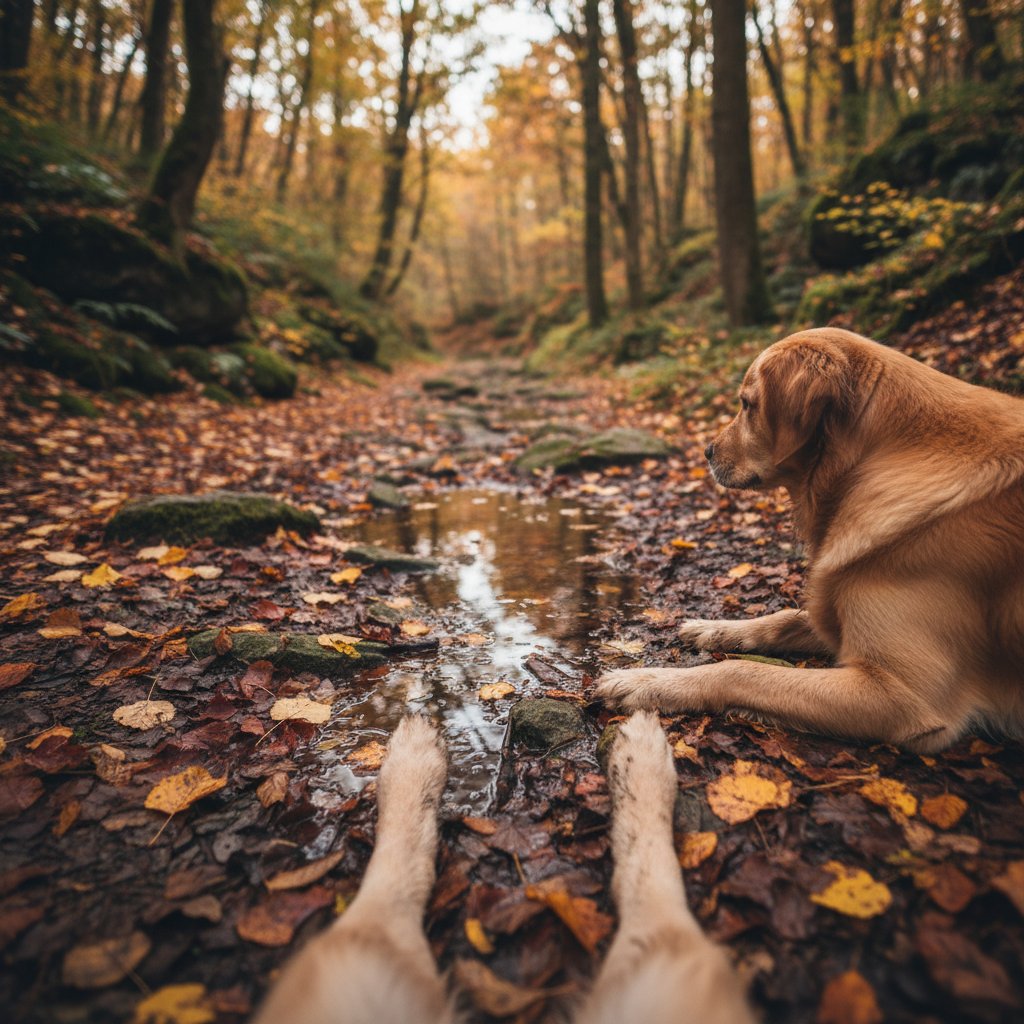
The Hidden Money Pit: Why Your Dog Training and Walking Routine Might Be Bleeding Your Wallet
You love your dog. You want them happy, healthy, and well-behaved. But somewhere between hiring that professional walker and signing up for the fifth training class, your bank account started looking sadder than a puppy who dropped his treat.
Here's the thing most pet owners don't realize: the way you approach dog walking and training can either save you thousands over your dog's lifetime or turn into an endless money drain. I've watched countless dog owners make the same expensive mistakes, convinced they're doing the right thing while their wallets get lighter and their dogs... well, stay pretty much the same.
Let's break down two fundamentally different approaches to canine care and see which one actually makes financial sense.
The Professional-Dependent Approach: Outsourcing Everything
This is the route many busy professionals take. Hire a dog walker for $25-40 per walk, sign up for group training classes at $150-300 for a six-week session, maybe add a behaviorist consultation at $200-500 when things go sideways.
The Upsides
- Immediate expertise: You're getting someone who knows what they're doing from day one
- Consistency: Professional walkers show up rain or shine (assuming they don't cancel)
- Social benefits: Group classes expose your dog to other animals in controlled settings
- Time savings: You're not spending 2-3 hours daily on walks and training
The Downsides
- The math gets brutal fast: Five walks per week at $30 each equals $7,800 annually. Add training classes, and you're pushing $10,000 per year.
- Dependency cycle: Your dog learns to behave for the trainer, not for you. Stop the classes, and behaviors often regress.
- Walker roulette: Many services rotate staff. Your dog might see different people each week, reducing relationship-building benefits.
- Hidden costs: Cancellation fees, holiday surcharges (often 50-100% markup), and emergency visit premiums add up.
- Quality variance: That $35 walker might be checking Instagram while your dog sniffs the same bush for 20 minutes.
The Self-Sufficient Approach: Learning to DIY
This means investing upfront in your own education—maybe one or two private training sessions to learn proper techniques, then handling daily walks and reinforcement training yourself.
The Upsides
- Massive long-term savings: After initial investment of $300-600 in training education, your ongoing costs drop to essentially zero
- Stronger bond: You become your dog's primary teacher and exercise partner. This relationship pays dividends in behavior and loyalty.
- Flexible scheduling: Walk at 6 AM or 10 PM—whatever works for your life
- Transferable skills: Learn once, apply to every dog you'll ever own
- Better problem-solving: You understand your dog's specific triggers and can address issues in real-time
The Downsides
- Time commitment: You need 1-2 hours daily, non-negotiable. Miss days, and you'll see behavioral backsliding.
- Learning curve: The first month can be frustrating. You'll make mistakes.
- Physical demands: Walking a 70-pound dog in Chicago winter isn't for everyone
- Limited backup: Sick days, business trips, and emergencies require contingency plans
- Slower initial progress: Professionals might get faster early results because they've done it a thousand times
The Real Cost Breakdown
| Expense Category | Professional Approach (Annual) | DIY Approach (Annual) |
|---|---|---|
| Regular walks (5x/week) | $7,800 | $0 |
| Training classes | $600-900 | $300-600 (first year only) |
| Behavioral consultations | $400-800 | $0-200 |
| Emergency/backup care | $500 | $300-400 |
| Total Year 1 | $9,300-10,000 | $600-1,200 |
| Total Over 10 Years | $93,000-100,000 | $3,000-5,000 |
The Expensive Middle Ground Nobody Talks About
Most dog owners don't fully commit to either approach. They hire walkers inconsistently, attend training classes sporadically, and wonder why nothing improves. This is where money really disappears.
Partial commitment means you're paying professional prices without getting professional results. Your dog doesn't receive consistent training, so behaviors don't stick. You end up rehiring trainers for the same issues, creating an expensive loop.
One client I know spent $4,200 on three separate training programs over two years—all addressing the same leash-pulling problem. The issue? She never practiced between sessions. The trainers could get her dog to heel perfectly, but she never learned the technique herself.
What Actually Works
The smartest financial move? Invest heavily upfront in learning proper techniques yourself. Book 3-4 private sessions with a reputable trainer (budget $400-600 total) specifically to teach you, not just train your dog. Ask questions. Take videos. Practice daily.
Then handle 80% of walks and training yourself. Use professional dog walkers strategically—maybe once or twice weekly for socialization or when your schedule genuinely demands it. This hybrid approach runs about $2,500-3,500 annually while maintaining consistency and building your relationship with your dog.
Your dog doesn't need perfection. They need consistency, patience, and someone who shows up every day. That person should be you—not just for your wallet's sake, but for the 15-year relationship you're building.