The real cost of Регулярный выгул собак, дрессировка: hidden expenses revealed
The $3,000 Surprise I Didn't See Coming
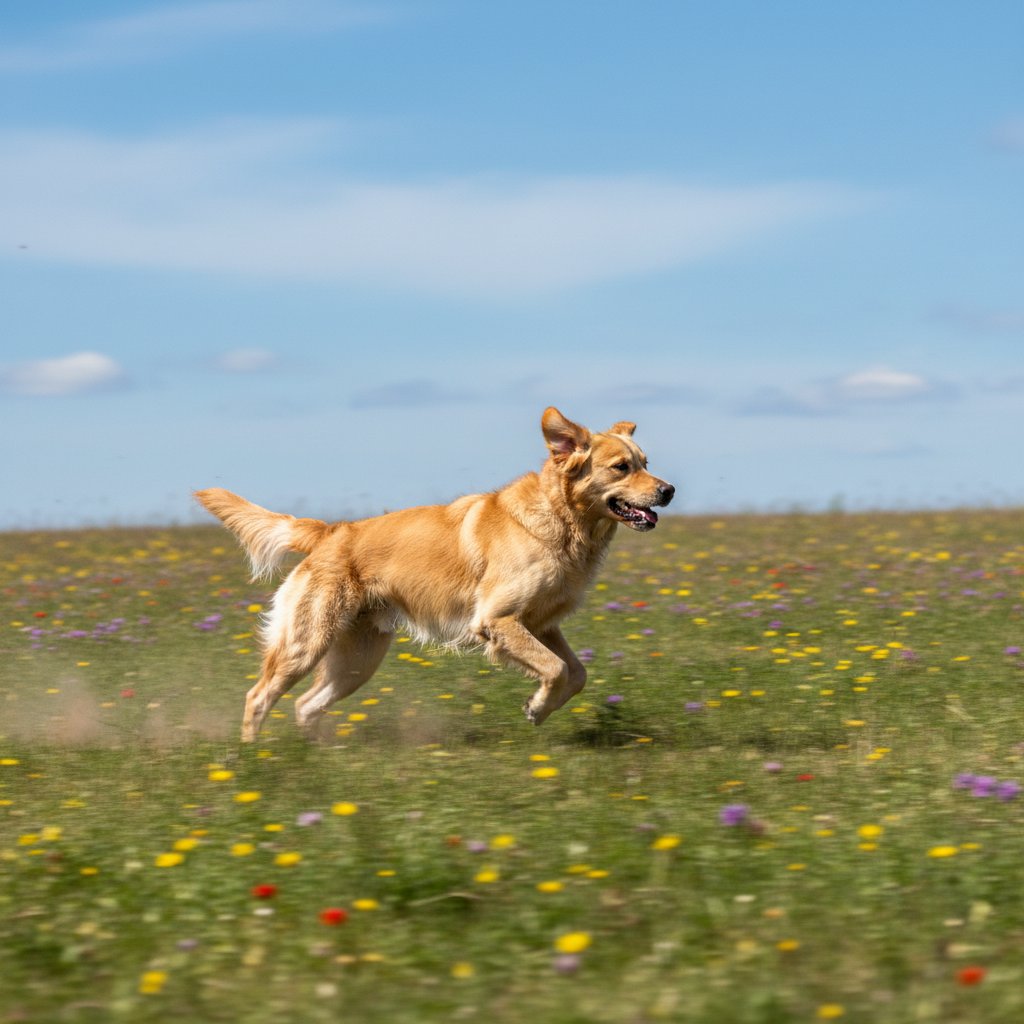
Last March, I adopted Luna—a hyperactive Border Collie mix who seemed convinced that furniture was optional and leash walking was a contact sport. Like most new dog parents, I'd budgeted for the obvious: food, vet visits, maybe some chew toys. What I hadn't anticipated was dropping nearly three grand in the first year on dog walking services and training alone. And I'm not talking about some luxury dog spa experience here.
The thing is, nobody talks about the real numbers when it comes to keeping your dog exercised and well-behaved. Sure, everyone knows these things cost money. But the actual expenses? They're hiding in plain sight, wrapped in subscription fees, emergency sessions, and those "just this once" charges that become weekly habits.
Why Your Dog Can't Just "Hold It" Until You Get Home
Professional dog walkers aren't a luxury for most working pet owners—they're a necessity. Dogs need to relieve themselves every 6-8 hours at minimum. Unless you're working from home or have a very understanding boss, that midday walk isn't optional.
Here's where the math gets uncomfortable. The average professional dog walker charges between $20-35 per 30-minute walk in most urban areas. Let's say you're paying $25 for a Monday-through-Friday service. That's $125 weekly, or roughly $500 monthly. Over a year? You're looking at $6,000. And that's assuming your walker never raises rates (they will) and you never need weekend coverage (you will).
But wait—there's more. Many dog walking services charge premium rates for:
- Last-minute bookings (usually 20-30% more)
- Holiday coverage (expect 50-100% surcharges on major holidays)
- Multiple dog households (typically $10-15 extra per additional dog)
- Extended walks beyond 30 minutes
- Puppies requiring more frequent visits
The Group Walk Gamble
Group walks seem like the budget-friendly option at $15-20 per session. Your dog gets socialization, you save money—everyone wins, right? Not always. If your dog doesn't play well with others (like Luna didn't initially), you're stuck paying for private walks anyway. Even worse, some dogs develop behavioral issues from poorly managed group dynamics, leading you straight to...
Training: The Expense That Multiplies
I thought training would be a one-time investment. Maybe six weeks of group classes, teach Luna to sit and stay, done deal. That optimism lasted exactly two sessions.
Basic obedience classes run $150-300 for a 6-8 week course. Sounds reasonable. But here's what the brochures don't tell you: most dogs need way more than basic obedience. Leash reactivity, separation anxiety, recall issues—these common problems require specialized training at $75-150 per private session. And you'll need multiple sessions. I attended eight private sessions with Luna before we made real progress on her leash pulling. That's $800 on top of the group classes.
A certified dog trainer I spoke with, Maria Rodriguez, who's been in the business for twelve years, put it bluntly: "People budget for training like they budget for a gym membership—they think they'll go for two months and be done. Dogs aren't like that. Behavioral modification is ongoing. I tell clients to expect at least six months of consistent work for significant issues."
The Hidden Training Costs Nobody Mentions
Beyond the session fees themselves, training comes with surprise expenses:
- Specialized equipment: front-clip harnesses, long training leads, treat pouches ($50-100)
- High-value training treats (your regular kibble won't cut it during sessions—budget $30-50 monthly)
- "Homework" supplies like clickers, target sticks, and puzzle toys ($40-80)
- Follow-up "refresher" sessions months later when old behaviors resurface ($75-150 each)
When Life Gets Complicated
Then there are the scenarios you never planned for. Your walker gets sick, and the backup service charges $45 instead of your usual $25. Your dog develops separation anxiety, requiring a specialized trainer at $125 per session. You travel for work, and suddenly you're paying for overnight care that includes walks and training maintenance.
According to a 2023 survey by the Pet Professional Guild, 68% of dog owners underestimate their first-year training and exercise costs by at least 40%. That tracks with my experience—I'd budgeted $1,200 for the year and spent $2,850.
The Real Investment Formula
After talking to dozens of dog owners and professionals, here's a realistic annual budget for a single dog requiring regular walks and training:
- Dog walking services: $4,000-6,500 (assuming 5 days/week minus your vacation time)
- Initial training program: $300-600
- Private training sessions: $600-1,200 (averaging one session monthly)
- Training supplies and equipment: $150-250
- Emergency/backup care: $200-400
Total realistic range: $5,250-8,950 annually.
Yeah. That's the actual number.
Key Takeaways
- Budget $500-700 monthly for regular dog walking if you work full-time
- Training isn't a one-time expense—expect ongoing costs for 6-12 months minimum
- Hidden costs (holiday rates, backup care, specialized equipment) add 20-30% to base estimates
- Group walks and classes only work if your dog is already well-socialized
- Most dog owners underestimate first-year costs by 40% or more
Making It Work Without Going Broke
Look, I'm not trying to scare anyone away from dog ownership. Luna's been worth every penny—even the ones I didn't expect to spend. But going in with realistic expectations changes everything. You can negotiate package deals with walkers, find quality trainers who offer sliding scale rates, or arrange walker-sharing with neighbors.
The dogs who end up in shelters aren't usually there because their owners didn't love them. They're there because behavioral issues went unaddressed, often because the cost of fixing them felt overwhelming. Knowing the real price tag upfront means you can plan, save, and actually invest in your dog's wellbeing before small problems become surrender-worthy disasters.
Luna and I just finished our one-year adoption anniversary. She's a different dog—calm on leash, reliable recall, no more furniture demolition. But that transformation didn't happen because I loved her enough. It happened because I could afford the help we both needed. That's the conversation we should be having.